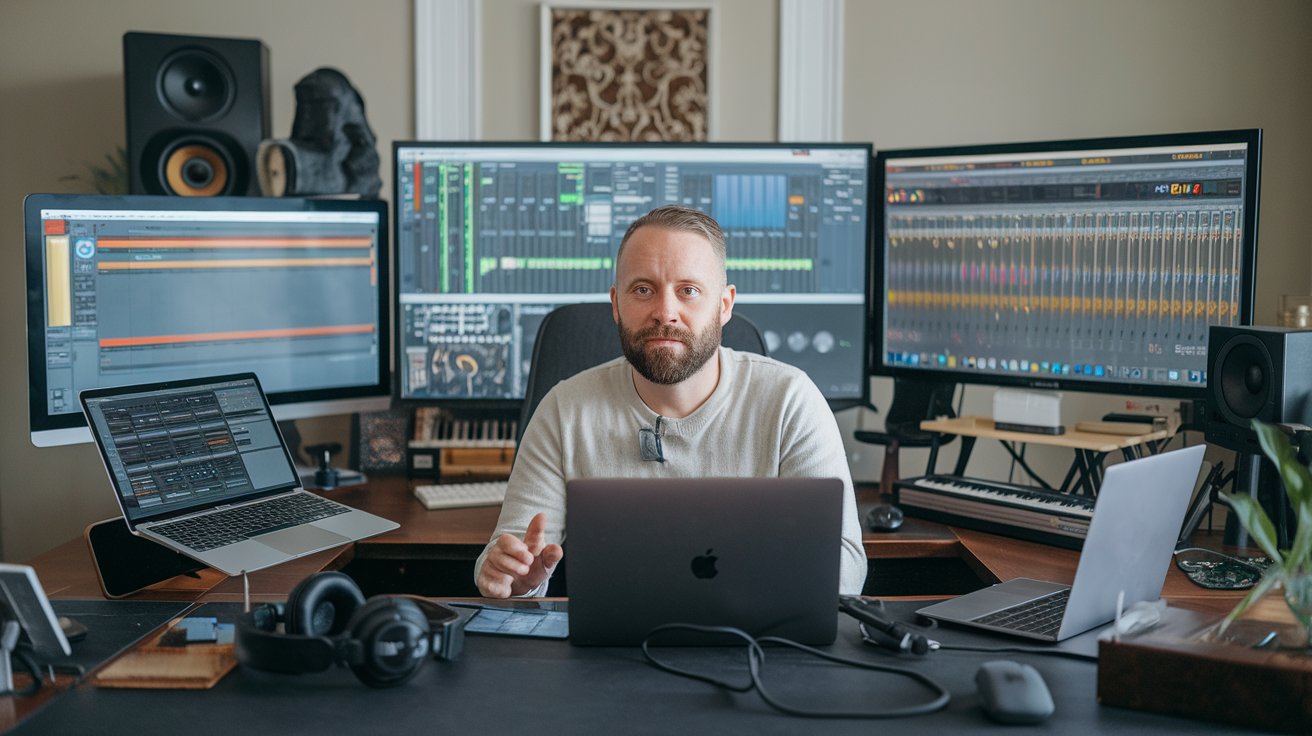
Music supervisors are constantly searching for the perfect tracks to enhance film, television, advertising, and digital content. These industry professionals earn between $45,000 to $150,000 annually in the United States, serving as the bridge between artists and media productions. Understanding how music supervisors looking for music operate is crucial for both aspiring supervisors and musicians seeking placement opportunities in today’s competitive entertainment landscape.
Understanding Music Supervision in 2025
The role of a music supervisor has evolved significantly in 2025, encompassing responsibilities from music selection and licensing to budget management and artist relations. These professionals work across film studios, television networks, advertising agencies, and streaming platforms like Netflix, Hulu, and Amazon Prime. The demand for skilled music supervisors has increased by 23% since 2023, driven by the expansion of streaming content and digital advertising campaigns.
Modern music supervision requires expertise in multiple areas including copyright law, music licensing, artist development, and cultural trends. Music supervisors looking for music must understand various genres, emerging artists, and the emotional impact of sound on visual media. The profession has become more data-driven, with supervisors using advanced analytics to predict audience preferences and track performance metrics across different platforms.
Core Responsibilities of Modern Music Supervisors
Contemporary music supervisors handle diverse tasks including music research, contract negotiation, and creative collaboration with directors and producers. They must maintain extensive databases of tracks, manage licensing budgets that often exceed $500,000 per project, and ensure all legal requirements are met. The role requires strong relationship-building skills to work effectively with record labels, independent artists, and music publishers across the United States.
Technology’s Impact on Music Supervision
Advanced music discovery platforms and AI-powered recommendation systems have transformed how music supervisors find music in 2025. Tools like Songtradr, Music Dealers, and Musicbed provide sophisticated search capabilities, allowing supervisors to filter tracks by mood, tempo, instrumentation, and licensing terms. These technological advances have reduced music search time by approximately 60% compared to traditional methods used five years ago.
How to Get Into Music Supervision
Breaking into music supervision requires a combination of formal education, practical experience, and industry networking. Most successful supervisors hold degrees in music business, entertainment law, or related fields, though some enter through internships at major studios or music companies. The Guild of Music Supervisors reports that 78% of current members started as assistants or interns, gradually building their expertise and professional connections.
Aspiring music supervisors should focus on developing skills in music licensing, copyright law, and project management. Essential qualifications include proficiency in digital audio workstations, understanding of sync rights and master recordings, and knowledge of music industry contracts. Building a portfolio of successful placements, even in smaller projects, demonstrates competency to potential employers and helps establish credibility within the industry.
Educational Requirements and Certifications
While no specific degree is required, most music supervisors benefit from education in music business, communications, or entertainment law. Universities like Berklee College of Music, New York University, and USC offer specialized programs in music supervision. Professional certifications from the Guild of Music Supervisors provide additional credibility and access to exclusive networking opportunities and job postings throughout the United States.
Building Industry Experience
Gaining practical experience as a music supervisor often begins with internships at production companies, music libraries, or entertainment agencies. Entry-level positions like music coordinator or assistant supervisor provide valuable hands-on experience with licensing processes, budget management, and artist relations. Many successful supervisors recommend starting with smaller indie projects to build a portfolio before pursuing opportunities with major studios or networks.
Music Supervisor Salaries and Career Prospects
Music supervisor compensation varies significantly based on experience, project scope, and employment type. Entry-level music supervisors in the United States typically earn between $45,000 to $65,000 annually, while senior supervisors at major studios can command salaries exceeding $150,000. Freelance supervisors often work on per-project bases, earning between $5,000 to $50,000 depending on production budgets and project duration.
Career advancement opportunities for music supervisors include progression to executive producer roles, establishing independent supervision companies, or specializing in specific genres or media types. The Bureau of Labor Statistics projects 8% growth in related entertainment industry positions through 2032, driven by increasing demand for original content across streaming platforms and digital media channels.
How Music Supervisors Find New Music
Modern music supervisors looking for music employ diverse discovery methods including digital platforms, industry showcases, and direct artist submissions. Major platforms like Spotify for Artists, SoundCloud Pro, and Bandcamp provide supervisors with tools to discover emerging talent and track performance metrics. Many supervisors dedicate 30-40% of their time to music discovery, constantly building libraries of potential tracks for future projects.
Professional networks play a crucial role in music discovery, with supervisors maintaining relationships with record label representatives, booking agents, and music publishers. Industry events like SXSW, MIDEM, and the Guild of Music Supervisors annual conference provide opportunities to discover new artists and build professional connections. Social media platforms, particularly Instagram and TikTok, have become increasingly important for identifying viral tracks and emerging trends.
Digital Music Discovery Platforms
Leading music discovery platforms for music supervisors include Musicbed, Artlist, and Epidemic Sound, which offer curated libraries with pre-cleared licensing terms. These platforms provide advanced filtering options, allowing supervisors to search by mood, genre, tempo, and instrumentation. Premium subscriptions typically cost between $200-500 monthly but provide access to thousands of tracks with simplified licensing processes.
Artist Submission Processes
Many music supervisors accept direct submissions from artists and labels through established protocols. Successful submissions typically include professionally produced demos, comprehensive metadata, and clear licensing information. Supervisors recommend submitting 3-5 best tracks rather than entire albums, with instrumental versions included when possible to facilitate placement in dialogue-heavy scenes.
Famous Music Supervisors and Industry Leaders
Prominent music supervisors like Randall Poster, Alexandra Patsavas, and Liza Richardson have shaped the industry through their work on acclaimed productions. Randall Poster’s collaborations with directors like Wes Anderson and Martin Scorsese have earned multiple Grammy nominations, while Alexandra Patsavas revolutionized television music through her work on shows like Grey’s Anatomy and The O.C. These industry leaders demonstrate the significant creative impact music supervisors can have on popular culture.
Contemporary supervisors continue building on this legacy, with professionals like Manish Raval, Tom Wolfe, and Season Kent gaining recognition for their innovative approaches to music placement. Their success stories illustrate various career paths within music supervision, from agency-based work to independent consulting and specialized genre expertise. Following these industry leaders on platforms like LinkedIn and Twitter provides valuable insights into current trends and opportunities.
Music Supervisor Contact Lists and Networking
Building a comprehensive music supervisor contact list requires strategic networking and industry research. Professional directories like the Music Supervision Directory and Guild of Music Supervisors member database provide verified contact information for active supervisors across different sectors. Many supervisors prefer initial contact through industry intermediaries like music publishers, agents, or mutual connections rather than unsolicited direct outreach.
Effective networking strategies for connecting with music supervisors include attending industry conferences, participating in music supervisor panels, and engaging with their work on social media platforms. LinkedIn has become particularly valuable for professional connections, with many supervisors maintaining active profiles highlighting their current projects and music preferences. Building authentic relationships takes time but often leads to long-term collaboration opportunities.
Professional Organizations and Guilds
The Guild of Music Supervisors serves as the primary professional organization, offering membership benefits including networking events, educational resources, and job placement services. Annual membership costs $125 for emerging professionals and $250 for established supervisors, providing access to exclusive industry events and educational workshops. Regional chapters in Los Angeles, New York, and Nashville host regular meetups and professional development sessions.
Industry Events and Conferences
Key industry events for meeting music supervisors include the annual Guild of Music Supervisors conference, SXSW music showcases, and MIDEM international music market. These events typically feature panel discussions, networking sessions, and listening parties where supervisors discover new music. Registration fees range from $200-800 for individual events, with early bird discounts often available for industry professionals.
Regional Music Supervision Opportunities
While Los Angeles and New York remain the primary hubs for music supervision careers, opportunities have expanded to cities like Atlanta, Nashville, and Austin due to regional film incentives and growing production activity. Atlanta’s film industry growth has created demand for local music supervisors familiar with southern hip-hop and R&B scenes, while Nashville’s country music expertise attracts projects requiring authentic country soundtracks.
Remote work opportunities have increased significantly since 2023, with many music supervisors looking for music collaborating virtually with production teams worldwide. This trend has opened opportunities for supervisors based outside traditional entertainment centers, though networking and relationship-building still benefit from in-person industry presence. Regional music scenes often provide unique opportunities for supervisors to develop specialized expertise in specific genres or cultural markets.
Future Trends in Music Supervision
The music supervision industry continues evolving with technological advances and changing media consumption patterns. Artificial intelligence tools are beginning to assist music supervisors in initial music discovery and matching, though human creativity and emotional intelligence remain essential for final selections. Virtual reality and interactive media present new frontiers requiring supervisors to understand spatial audio and adaptive music systems.
Sustainability concerns are influencing how music supervisors looking for music approach their work, with increasing emphasis on supporting diverse artists and environmentally conscious production practices. The rise of global streaming platforms has also created demand for supervisors with expertise in international music markets and cultural sensitivities, expanding career opportunities for multilingual professionals with global music knowledge.
Related video about music supervisors looking for music
This video complements the article information with a practical visual demonstration.
Everything you need to know about music supervisors looking for music
How do I get into music supervisor careers?
Start with internships at production companies or music libraries, build industry connections through the Guild of Music Supervisors, and develop skills in music licensing and copyright law. Most successful supervisors begin as assistants and gradually build portfolios through smaller projects before advancing to major studio positions.
How to get a job in music supervision?
Focus on education in music business or entertainment law, gain practical experience through internships, and network actively within the industry. Create a portfolio showcasing successful music placements, maintain relationships with industry professionals, and consider starting with freelance projects to build credibility and experience.
How much do music supervisors earn?
Entry-level music supervisors earn $45,000-$65,000 annually, while experienced supervisors at major studios can earn over $150,000. Freelance supervisors earn $5,000-$50,000 per project depending on scope and budget. Salaries vary based on location, experience level, and whether working staff positions or freelance contracts.
How do music supervisors find music?
Music supervisors use digital platforms like Spotify, Musicbed, and Artlist, attend industry showcases, maintain relationships with labels and publishers, and review direct artist submissions. They dedicate 30-40% of their time to music discovery, building extensive libraries for future projects across various genres and moods.
What skills are essential for music supervisors?
Essential skills include music licensing expertise, copyright law knowledge, project management, and strong networking abilities. Supervisors need proficiency in digital audio workstations, understanding of sync rights, and ability to manage budgets often exceeding $500,000. Cultural awareness and emotional intelligence are crucial for matching music to visual content effectively.
Where can I find music supervisor contact information?
Professional directories like the Music Supervision Directory and Guild of Music Supervisors member database provide verified contacts. LinkedIn serves as a primary networking platform, while industry conferences like SXSW and MIDEM offer face-to-face networking opportunities. Many supervisors prefer introductions through mutual industry connections rather than cold outreach.
| Career Aspect | Key Requirements | Earning Potential |
|---|---|---|
| Entry Level | Music business education, internship experience | $45,000-$65,000 annually |
| Senior Supervisor | 5+ years experience, strong industry network | $150,000+ annually |
| Freelance Projects | Portfolio of successful placements | $5,000-$50,000 per project |