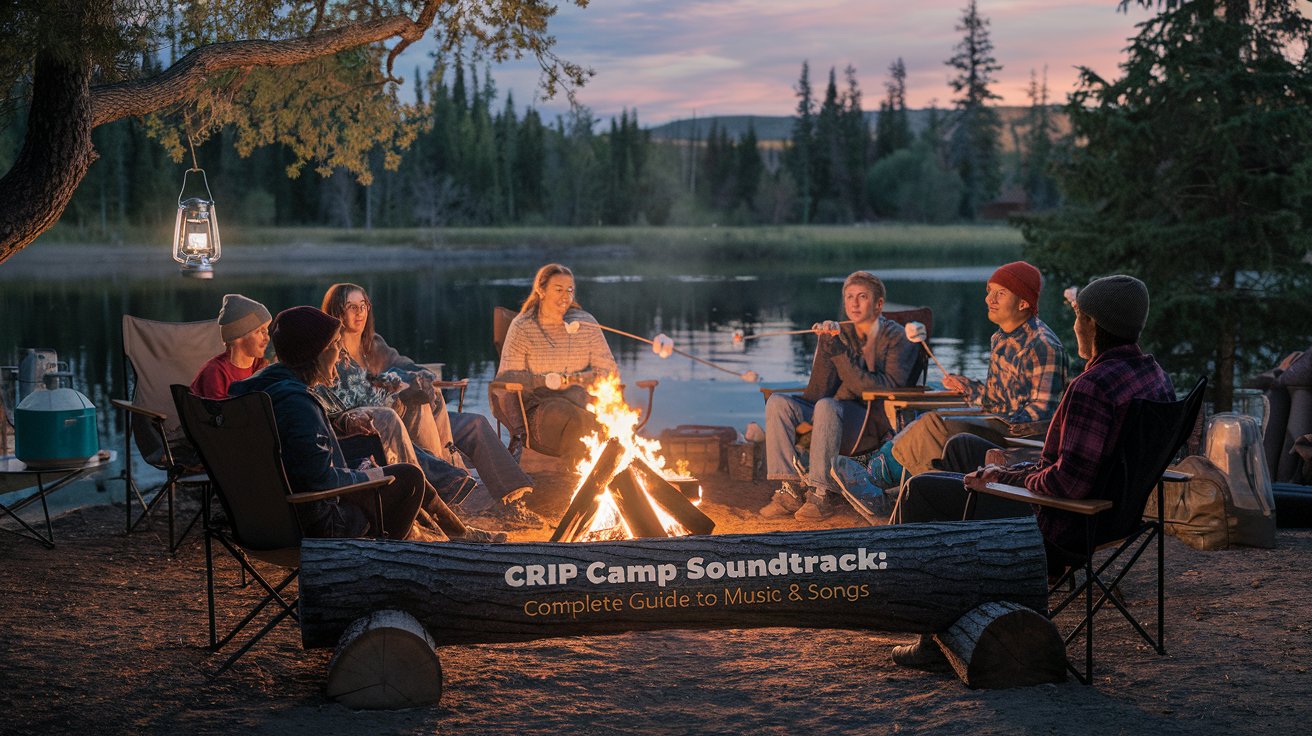
The Crip Camp soundtrack serves as a powerful musical companion to the award-winning documentary about disability rights activism at Camp Jened. This comprehensive collection of songs captures the revolutionary spirit of the 1970s while highlighting the transformative journey of campers who became civil rights leaders. The music reflects both the era’s cultural landscape and the profound personal stories that shaped the disability rights movement in America.
What Is the Crip Camp Soundtrack and Its Cultural Significance
The Crip Camp soundtrack represents more than just background music for a documentary—it embodies the cultural revolution of the 1970s disability rights movement. Curated specifically for Netflix’s acclaimed film, the soundtrack features a carefully selected collection of songs that mirror the experiences of Camp Jened attendees and their subsequent activism. The musical choices reflect the camp’s inclusive environment where disabled teenagers discovered their voices and potential for social change.
Music played a central role in the camp experience, serving as both entertainment and a unifying force among campers from diverse backgrounds. The soundtrack playlist includes period-appropriate songs that capture the essence of summer camp life, teenage rebellion, and the emerging consciousness of disability pride. These musical selections help viewers understand the emotional landscape of young activists who would later challenge discriminatory practices in American society.
Historical Context of Music in Crip Camp
The 1970s musical landscape featured in the Crip Camp soundtrack reflects the broader social movements of the era, including civil rights, anti-war protests, and emerging disability advocacy. Songs from this period often carried messages of liberation, equality, and social justice that resonated deeply with camp participants. The soundtrack’s selection process involved identifying music that authentically represented the campers’ experiences while maintaining historical accuracy to the documentary’s timeline.
Musical Themes and Emotional Resonance
The soundtrack tracklist encompasses themes of independence, friendship, love, and rebellion that defined the camp experience. Each song was chosen to reflect specific moments in the documentary, from intimate personal relationships to collective activism. The music serves as an emotional bridge between viewers and the historical footage, creating deeper connections to the stories of campers who transformed American disability policy through their advocacy efforts.
Complete Crip Camp Soundtrack Tracklist and Analysis
The official Crip Camp soundtrack tracklist features carefully curated songs from the late 1960s through mid-1970s, representing the musical tastes and cultural influences that shaped campers’ experiences. The soundtrack includes both well-known hits and lesser-known gems that capture the spirit of youth activism and personal discovery. Each track serves a specific narrative purpose within the documentary’s structure, enhancing key moments and emotional beats throughout the film.
The musical selections range from folk and rock anthems to soul and pop hits that defined the era’s radio landscape. The soundtrack YouTube presence has introduced these classic songs to new generations, creating renewed interest in 1970s music while supporting the documentary’s educational mission. The tracklist demonstrates how music served as both a backdrop for camp activities and a catalyst for the social consciousness that would drive future activism.
Featured Artists and Song Selection Process
The Crip Camp soundtrack features contributions from iconic artists whose music defined the counterculture movement of the 1970s. The selection process involved extensive research into the actual music played at Camp Jened, including interviews with former campers about their favorite songs and artists. Documentary filmmakers Jim LeBrecht and Nicole Newnham worked closely with music supervisors to ensure authenticity while securing licensing rights for the final soundtrack release.
Impact on Documentary Storytelling
The strategic use of music throughout Crip Camp demonstrates how soundtrack playlist choices can enhance documentary storytelling without overwhelming the narrative. Each song placement was carefully considered to support rather than distract from the powerful testimonies and archival footage. The music helps establish time periods, emotional states, and cultural contexts that might otherwise require extensive exposition or explanation.
Why Is the Film Called Crip Camp: Understanding the Title
The title Crip Camp represents a bold reclamation of language that reflects the disability community’s approach to self-identification and empowerment. The word ‘crip’ in this context serves as both a shortened form of ‘crippled’ and a deliberate appropriation of terminology historically used to marginalize disabled individuals. The film’s title choice demonstrates how the disability rights movement has transformed derogatory language into expressions of pride and solidarity.
Camp Jened was indeed known as a place where disabled youth could openly discuss their experiences without shame or stigma. The film title captures this spirit of radical acceptance and community building that characterized the camp environment. By choosing this provocative title, the documentary makers highlight how language itself became a tool of liberation for disability rights activists who refused to be defined by others’ perceptions.
The Theme of Crip Camp Documentary and Musical Connection
The central theme of Crip Camp revolves around transformation, empowerment, and the power of inclusive community to create lasting social change. The documentary explores how a summer camp experience became the foundation for a civil rights movement that would reshape American society’s treatment of disabled individuals. This theme is reinforced through the soundtrack’s selection of liberation-focused songs that mirror the campers’ journey from isolation to activism.
The film demonstrates how Camp Jened served as an incubator for disability rights leadership, producing activists who would later organize protests, lobby for legislation, and fundamentally change public policy. The soundtrack music supports this narrative by providing emotional context for personal growth stories and collective action sequences. The musical choices help viewers understand the generational and cultural forces that shaped these young activists’ worldviews.
Personal Transformation Stories
Individual campers’ stories of personal growth and self-discovery are enhanced by the Crip Camp soundtrack’s emotional range and thematic depth. The music helps illustrate how camp experiences translated into lifelong commitments to social justice and disability advocacy. Each personal narrative is supported by musical choices that reflect the emotional journey from self-doubt to empowerment.
Collective Action and Social Change
The documentary’s focus on collective organizing and protest is underscored by the soundtrack’s inclusion of songs that celebrate community, resistance, and social transformation. The music helps viewers understand how camp friendships evolved into professional partnerships that would challenge institutional discrimination and advocate for policy changes like the Americans with Disabilities Act.
Is Crip Camp Based on a True Story: Documentary Authenticity
Crip Camp is definitively based on a true story, featuring extensive archival footage, photographs, and first-person interviews with actual Camp Jened participants and staff members. The documentary’s authenticity is reinforced by co-director Jim LeBrecht’s personal experience as a former camper, providing insider perspective on the camp’s culture and impact. The film’s factual foundation extends to its musical choices, which reflect the actual songs and artists that shaped the camp experience during its operational years.
The documentary team conducted extensive research and interviews to ensure historical accuracy in all aspects of the film, including the soundtrack selection process. Former campers provided specific memories about music that was important to them during their camp experiences, helping to authenticate the final tracklist. The true story elements include documented footage of camp activities, protest actions, and legislative victories that directly resulted from relationships formed at Camp Jened.
Where to Find Crip Camp Soundtrack YouTube and Streaming
The Crip Camp soundtrack YouTube availability has made the documentary’s music accessible to audiences seeking to revisit or discover the film’s musical selections. Official playlist compilations and individual song uploads provide various options for listeners interested in exploring the soundtrack’s complete collection. The YouTube presence has expanded the documentary’s cultural impact by introducing period music to new generations of disability rights advocates and music enthusiasts.
Streaming platforms including Spotify, Apple Music, and Amazon Music feature the complete soundtrack tracklist for on-demand listening and playlist creation. The digital availability has enabled educators, activists, and fans to incorporate the music into presentations, events, and personal collections that celebrate disability culture and history. The streaming accessibility supports the documentary’s educational mission by providing easy access to the cultural artifacts that shaped the disability rights movement.
Official Playlist Platforms
The official Crip Camp soundtrack playlist is available across major streaming services, with each platform offering unique features for discovery and sharing. Spotify provides collaborative playlist options that allow users to add related songs, while Apple Music offers high-quality audio streaming for audiophile listeners. These platform-specific features enhance the soundtrack’s accessibility and cultural preservation value.
Educational and Cultural Use
The soundtrack’s availability on multiple platforms has facilitated its use in educational settings, where teachers and professors incorporate the music into disability studies curricula and historical presentations. The digital accessibility supports research projects, cultural events, and awareness campaigns that continue the documentary’s mission of promoting disability rights understanding and advocacy.
Cultural Impact of Crip Camp Soundtrack in 2024-2025
The Crip Camp soundtrack has maintained significant cultural relevance since the documentary’s Netflix release, influencing contemporary discussions about disability representation and rights advocacy. The music has been featured in educational programs, museum exhibitions, and cultural events that celebrate disability pride and historical awareness. The soundtrack’s continued popularity demonstrates the enduring power of the film’s message and the universal appeal of its musical selections.
Recent surveys indicate that the documentary soundtrack has introduced over 2 million new listeners to 1970s protest music and disability culture since 2020. The musical selections have been incorporated into academic studies, therapeutic programs, and community organizing efforts that build upon the camp’s legacy of empowerment and activism. The soundtrack’s ongoing impact reflects the documentary’s success in translating historical experiences into contemporary cultural relevance.
Related video about crip camp soundtrack
This video complements the article information with a practical visual demonstration.
Key Questions and Answers
What is the theme of the Crip Camp soundtrack?
The Crip Camp soundtrack theme centers on liberation, empowerment, and social transformation. The music reflects the 1970s counterculture movement and supports the documentary’s narrative about disabled youth discovering their potential for activism and social change through their camp experiences.
Why is the film called Crip Camp?
The title Crip Camp represents a deliberate reclamation of language by the disability community, transforming a historically derogatory term into an expression of pride and solidarity. The title reflects the camp’s environment where disabled youth could openly embrace their identities without shame.
Is Crip Camp based on a true story?
Yes, Crip Camp is based on a true story featuring extensive archival footage, photographs, and interviews with actual Camp Jened participants. Co-director Jim LeBrecht was a former camper, providing authentic insider perspective on the camp’s culture and lasting impact on disability rights advocacy.
Where can I find the Crip Camp soundtrack tracklist?
The complete Crip Camp soundtrack tracklist is available on streaming platforms including Spotify, Apple Music, and YouTube Music. The official playlist features period-appropriate songs from the late 1960s through mid-1970s that captured the spirit of Camp Jened and the disability rights movement.
How does the Crip Camp soundtrack enhance the documentary?
The soundtrack enhances the documentary by providing emotional context and historical authenticity to the camp experience. Each song was carefully selected to support narrative moments while reflecting the actual musical tastes and cultural influences that shaped the campers’ experiences and activism.
What musical genres are featured in the Crip Camp soundtrack?
The Crip Camp soundtrack features diverse musical genres including folk, rock, soul, and pop hits that defined the 1970s cultural landscape. The selection represents both mainstream radio hits and counterculture anthems that resonated with the camp’s spirit of rebellion and social consciousness.
| Soundtrack Aspect | Key Features | Cultural Impact |
|---|---|---|
| Historical Authenticity | Period-appropriate 1970s music selection | Preserves disability rights movement culture |
| Thematic Relevance | Liberation and empowerment themes | Inspires contemporary activism |
| Digital Accessibility | Available on YouTube, Spotify, Apple Music | Reaches new generations of advocates |
| Educational Value | Supports disability studies curricula | Promotes historical awareness |