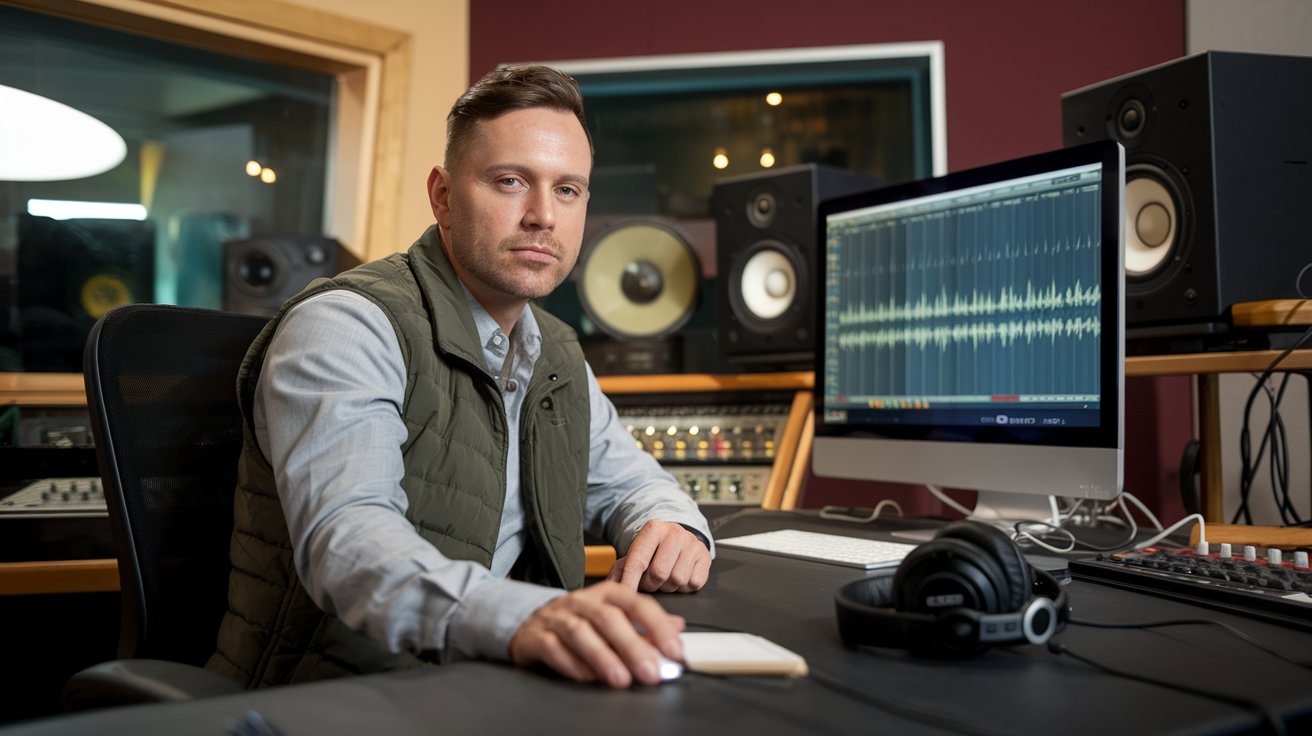
A music supervisor bridges the gap between the music industry and visual media, selecting and licensing songs for films, TV shows, commercials, and video games. This creative role requires no formal degree but demands extensive music knowledge, industry connections, and licensing expertise. With streaming platforms driving demand, music supervisor careers are experiencing unprecedented growth in 2025.
What Does a Music Supervisor Do
A music supervisor curates and licenses music for visual media projects, working closely with directors, producers, and music publishers. They analyze scripts to determine musical needs, search for appropriate songs, negotiate licensing deals, and manage music budgets. Music supervisors also collaborate with composers and sound designers to ensure seamless audio integration throughout the production process.
The role extends beyond song selection to include music clearance responsibilities, budget management, and creative consultation. Music supervisors must understand both synchronization and master recording rights, ensuring all legal requirements are met before music appears in final productions. They often work on multiple projects simultaneously, requiring exceptional organizational skills and industry knowledge.
Music Supervisor vs Music Editor
While both roles involve music in media, music supervisors focus on song selection and licensing, whereas music editors handle technical audio editing and sound mixing. Music supervisors work during pre-production and production phases, while music editors typically join during post-production to synchronize audio with visual elements.
Industry Sectors for Music Supervisors
Music supervisors work across diverse entertainment sectors including television networks, streaming platforms like Netflix and Hulu, film studios, advertising agencies, and video game companies. The growing podcast industry and social media platforms also create new opportunities for music supervision professionals in 2025.
Education Requirements and Qualifications
You can become a music supervisor without a degree, as the industry prioritizes experience, musical knowledge, and networking over formal education. However, many successful music supervisors hold degrees in music business, communications, or related fields. What matters most is demonstrating deep music knowledge across genres, understanding licensing procedures, and building industry relationships.
Essential qualifications for music supervisors include comprehensive music library knowledge, familiarity with music licensing software, basic legal understanding of copyright law, and strong communication skills. Many professionals start in related positions within record labels, music publishing companies, or production houses to gain relevant experience.
Essential Skills for Music Supervision Success
Successful music supervisors possess a unique combination of creative and business skills. Musical expertise across multiple genres is fundamental, along with an intuitive understanding of how music enhances storytelling. Technical skills include proficiency with music databases, licensing software, and budget management tools used throughout the industry.
Communication and negotiation abilities are crucial for music supervisor success, as professionals regularly interact with artists, label executives, directors, and legal teams. Time management skills are essential given tight production deadlines and multiple project demands. Cultural awareness helps supervisors select music that resonates with target audiences across different demographics.
Technical Proficiencies
Music supervisors must be proficient with industry-standard software including DISCO, Songtradr, and Music Supervisor databases. Knowledge of Pro Tools, Logic Pro, and other digital audio workstations helps when collaborating with sound teams and composers during production processes.
Business and Legal Knowledge
Understanding music licensing fundamentals is critical, including synchronization rights, master recordings, publishing rights, and performance royalties. Music supervisors must navigate complex legal agreements while staying within allocated budgets and meeting production timelines.
Building Your Music Industry Network
Networking is essential for music supervisor success, as most opportunities come through industry relationships rather than public job postings. Attend music industry conferences like MIDEM, SXSW, and Music Supervisor Summit to meet professionals and learn about emerging trends. Building relationships with music publishers, label representatives, and fellow supervisors creates opportunities for collaboration and referrals.
Social media platforms, particularly LinkedIn and Instagram, serve as powerful networking tools for music supervisors. Share industry insights, highlight successful placements, and engage with posts from industry leaders. Join professional organizations like the Guild of Music Supervisors to access exclusive networking events and educational resources.
Industry Events and Conferences
Key networking events for aspiring music supervisors include the Music Supervisor Summit, ASCAP Expo, BMI conferences, and regional music industry meetups. These events offer direct access to established professionals and provide insights into current industry trends and opportunities.
Online Community Building
Engage with music supervisor communities on platforms like Discord, Reddit, and specialized Facebook groups. Share knowledge, ask questions, and offer assistance to build your reputation as a knowledgeable and collaborative industry professional.
Gaining Experience and Building Your Portfolio
Start building experience by working on independent films, student projects, and local commercials where you can develop your music supervision skills without intense pressure. Create a portfolio showcasing your ability to match music with visual content, demonstrating your understanding of mood, timing, and audience appeal.
Volunteer for music-related roles at film festivals, music venues, and industry events to gain exposure and meet potential collaborators. Document your work with detailed case studies explaining your song selection process, licensing challenges overcome, and final results achieved for each project.
Music Supervisor Salary and Earning Potential
Music supervisors earn between $45,000 to $200,000+ annually in the United States, depending on experience level, project scope, and industry sector. Entry-level positions typically start around $40,000-$60,000, while experienced supervisors working on major film or television projects can command six-figure salaries plus backend royalties.
Freelance music supervisors make money through per-project fees ranging from $2,500 for independent films to $50,000+ for major studio productions. Many professionals combine staff positions with freelance work to maximize earning potential. Additional revenue streams include music consultation services and licensing fee commissions.
Salary by Industry Sector
Television music supervisors typically earn $60,000-$120,000 annually, while film industry professionals command $70,000-$150,000. Advertising agency supervisors earn $55,000-$130,000, and streaming platform positions offer $75,000-$180,000 plus equity compensation.
Freelance vs Staff Positions
Staff music supervisors receive steady salaries plus benefits, while freelancers enjoy higher per-project rates but lack guaranteed income. Many successful professionals transition from staff positions to freelance work after building industry reputation and client relationships.
Career Paths and Advancement Opportunities
Entry-level paths to becoming a music supervisor include assistant positions at music supervision companies, coordinator roles at record labels, and internships at production companies. Many professionals start in music publishing, A&R departments, or sync licensing roles before transitioning to full supervision responsibilities.
Advanced career opportunities include executive music supervisor positions, music director roles at networks or streaming platforms, and entrepreneurial ventures like starting independent music supervision companies. Some professionals expand into related fields such as music producing, artist management, or entertainment law.
Staying Current with Industry Trends
Music supervisors must continuously monitor emerging artists, changing music consumption patterns, and evolving licensing regulations. Subscribe to industry publications like Variety, Billboard, and Music Week to stay informed about market developments. Follow music blogs, streaming platform playlists, and social media trends to discover new artists before they achieve mainstream recognition.
Attend industry workshops and continuing education programs to learn about new technologies, licensing changes, and business model innovations. The rapid growth of streaming platforms, podcast advertising, and virtual reality content creates ongoing learning opportunities for music supervision professionals in 2025.
Related video about how to become a music supervisor
This video complements the article information with a practical visual demonstration.
Frequently Asked Questions
What qualifications do you need to be a music supervisor?
No formal degree is required to become a music supervisor. Essential qualifications include extensive music knowledge across genres, understanding of licensing procedures, strong communication skills, and industry networking. Many successful supervisors have degrees in music business or communications, but experience and relationships are more important than formal education.
Can you be a music supervisor without a degree?
Yes, you can absolutely become a music supervisor without a college degree. The industry prioritizes musical expertise, licensing knowledge, and professional relationships over formal education. Many successful supervisors started in entry-level music industry positions and built their careers through experience and networking.
How much do music supervisors earn in 2025?
Music supervisors in the United States earn between $45,000 to $200,000+ annually, depending on experience and project scope. Entry-level positions start around $40,000-$60,000, while experienced professionals working on major productions can command six-figure salaries plus backend royalties and commission fees.
How do music supervisors make money?
Music supervisors make money through annual salaries for staff positions, per-project fees for freelance work, backend royalties, and commission fees from successful placements. Revenue sources include television shows, films, commercials, video games, and streaming platform content, with fees ranging from $2,500 to $50,000+ per project.
What is the difference between a music supervisor and music editor?
Music supervisors focus on song selection, licensing, and creative music placement during pre-production and production phases. Music editors handle technical aspects like audio editing, timing synchronization, and sound mixing during post-production. Supervisors work with creative and business elements, while editors manage technical audio implementation.
How long does it take to become a music supervisor?
Becoming a music supervisor typically takes 3-7 years of industry experience, starting with entry-level positions or internships. The timeline varies based on networking success, skill development, and opportunity availability. Some professionals transition faster with strong industry connections, while others build careers gradually through assistant roles and project experience.
| Career Aspect | Requirements | Benefit |
|---|---|---|
| Education | No degree required, music knowledge essential | Accessible career entry point |
| Experience | 3-7 years industry experience | Strong career foundation |
| Networking | Industry relationships and conferences | Access to hidden opportunities |
| Salary Range | $45,000-$200,000+ annually | Excellent earning potential |
| Skills | Music knowledge, licensing, communication | Creative and business skill development |