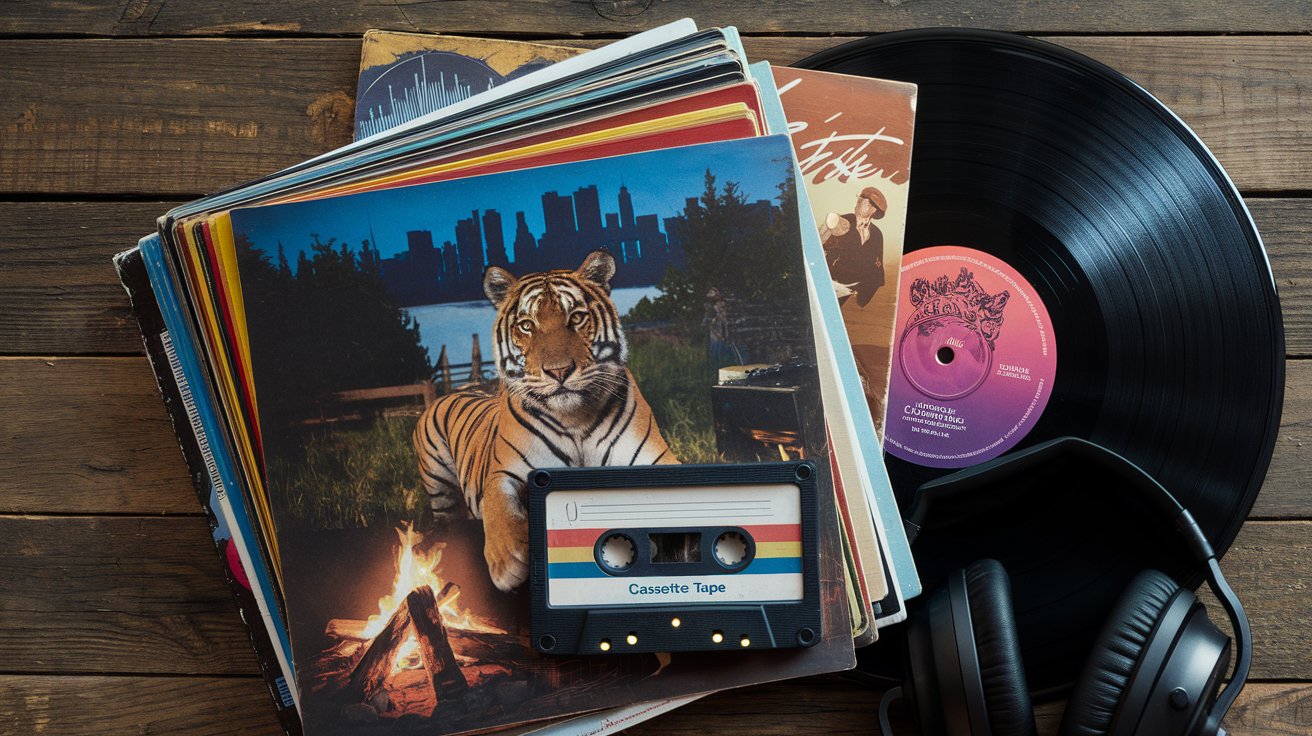
An artist EPK definition refers to an Electronic Press Kit – a digital portfolio that musicians use to showcase their work to industry professionals. This comprehensive digital package contains essential materials like music samples, photos, biography, and contact information, serving as a professional introduction for booking agents, record labels, and media outlets in the modern music industry.
What is an Artist EPK?
An artist EPK (Electronic Press Kit) is a digital collection of promotional materials that musicians use to present themselves professionally to industry contacts. Unlike traditional physical press kits that were mailed in folders, modern EPKs exist as downloadable files, online portfolios, or dedicated websites. The EPK meaning has evolved significantly since the 1990s, transforming from simple email attachments to sophisticated multimedia presentations.
Today’s artist EPK definition encompasses various formats, from PDF documents to interactive web pages. According to 2024 industry data, over 85% of music industry professionals prefer receiving EPKs digitally rather than physical materials. This shift reflects the fast-paced nature of modern music business, where quick access to artist information is crucial for booking decisions and media coverage.
Core Components of an Artist EPK
Every professional EPK template includes several essential elements that industry professionals expect to find. The artist biography serves as the foundation, providing a compelling narrative about the musician’s background, achievements, and unique style. High-quality promotional photos are equally important, as visual presentation significantly impacts first impressions in the entertainment industry.
Digital vs Traditional Press Kits
The evolution from physical to digital press kits represents a fundamental shift in music promotion strategies. While traditional press kits required printing costs and shipping expenses, EPK examples demonstrate how digital formats offer unlimited distribution at minimal cost. Modern EPKs can include interactive elements like embedded audio players, video content, and direct links to streaming platforms, providing a more engaging experience than static printed materials.
Who Should Use Electronic Press Kits?
Independent musicians form the largest group of EPK users, as these artists typically handle their own promotion and booking efforts. However, established artists signed to record labels also utilize EPKs for specific campaigns, tour promotion, and media outreach. According to 2024 music industry surveys, 78% of independent artists report using EPKs regularly, while 65% of signed artists maintain updated electronic press kits for various promotional purposes.
Music industry professionals including booking agents, venue owners, festival organizers, and media representatives rely heavily on EPKs for evaluation purposes. The standardized format of electronic press kits allows these professionals to quickly assess artists and make informed decisions about bookings, interviews, and coverage opportunities. Additionally, music supervisors for film, television, and advertising frequently request EPKs when considering artists for sync licensing opportunities.
Essential Elements to Include in Your EPK
A comprehensive artist EPK definition encompasses multiple components that work together to create a complete professional presentation. The artist biography should be concise yet compelling, typically ranging from 100-300 words depending on the artist’s career stage. This narrative should highlight unique achievements, notable performances, and distinctive musical characteristics that set the artist apart from competitors in their genre.
Music Samples and Audio Content
Audio content represents the most critical component of any EPK examples collection. Industry standards suggest including 3-5 of your strongest songs, with each track representing different aspects of your musical style. These samples should be professionally mixed and mastered, as audio quality directly impacts industry professionals’ perception of your work. Streaming statistics from platforms like Spotify and Apple Music can provide valuable social proof when included alongside audio samples.
Professional Photography and Visual Assets
High-resolution promotional photos are essential for any professional EPK template, as visual presentation significantly influences booking decisions and media coverage. Include both performance shots and professional headshots, ensuring all images are properly lit and composed. Press photos should be available in multiple resolutions to accommodate various media requirements, from social media posts to large-format print advertisements.
How to Create an Effective Artist EPK
Creating a professional EPK requires careful planning and attention to industry standards. Start by gathering all necessary materials, including recent photos, audio recordings, and relevant press coverage. The how to make an EPK process typically involves organizing these materials into a cohesive presentation that tells your artistic story while providing practical information for industry contacts.
Professional EPK Maker tools and templates can streamline the creation process, offering pre-designed layouts and formatting options. However, customization remains crucial for standing out in a competitive market. Your EPK should reflect your unique artistic identity while maintaining the professional standards expected by industry professionals. Consider hiring a graphic designer or web developer if budget allows, as professional presentation can significantly impact response rates.
Technical Specifications and Best Practices
Technical considerations play a crucial role in EPK effectiveness. Audio files should be provided in high-quality formats like WAV or FLAC, with MP3 versions available for quick preview. File sizes must balance quality with accessibility, as large files can create barriers for busy industry professionals. Most experts recommend keeping total EPK size under 50MB when distributed as a downloadable package.
Distribution and Delivery Methods
Modern EPK examples showcase various distribution methods, from email attachments to dedicated websites and cloud storage links. Each method offers distinct advantages depending on the target audience and purpose. Email attachments work well for initial introductions, while online portfolios provide ongoing accessibility for industry contacts who may reference your materials multiple times throughout their decision-making process.
Common EPK Mistakes to Avoid
Many artists make critical errors when developing their electronic press kits, potentially damaging their professional opportunities. Outdated information represents one of the most common problems, as industry professionals expect current contact details, recent photos, and fresh musical content. An artist EPK definition that includes obsolete materials suggests unprofessionalism and lack of attention to detail.
Oversized files and poor organization create additional barriers to effective EPK utilization. Industry professionals often review dozens of EPKs weekly, making quick access to key information essential. Poorly structured EPKs that require extensive searching for basic details like contact information or audio samples often get overlooked in favor of more accessible alternatives. Additionally, including too many songs or excessive promotional materials can overwhelm recipients rather than impressing them.
Industry Response and EPK Effectiveness
Recent industry studies reveal that professionally crafted EPKs generate significantly higher response rates from booking agents and venues. Data from 2024 shows that artists with comprehensive, well-designed EPKs receive 40% more booking inquiries compared to those using basic promotional materials. The EPK meaning in terms of career advancement cannot be overstated, as these materials often serve as the first impression for potential industry partners.
Success metrics for EPK effectiveness include response rates from industry contacts, booking confirmations, and media coverage resulting from EPK distribution. Artists who regularly update their electronic press kits and track distribution results report better overall promotional outcomes. Many successful musicians credit their EPKs with securing key opportunities including festival bookings, record label interest, and media interviews that advanced their careers significantly.
Related video about artist epk definition
This video complements the article information with a practical visual demonstration.
Important things to know about artist epk definition
What is an EPK for an artist?
An EPK (Electronic Press Kit) for an artist is a digital collection of promotional materials including music samples, photos, biography, and contact information. It serves as a professional introduction tool for booking agents, record labels, and media outlets in the music industry.
What does an artist EPK look like?
An artist EPK typically includes a professional biography, 3-5 high-quality music tracks, promotional photos, press coverage, contact information, and social media links. It can be formatted as a PDF, website, or downloadable folder containing all necessary promotional materials.
How to create an EPK for artist?
To create an artist EPK, gather your best music samples, professional photos, written biography, press coverage, and contact details. Organize these materials using an EPK template or professional design software, ensuring all information is current and presented in an industry-standard format.
Do people still use EPK?
Yes, EPKs remain essential in the modern music industry. According to 2024 data, over 85% of music industry professionals prefer receiving digital press kits, and 78% of independent artists regularly use EPKs for promotion and booking purposes.
What should be included in an electronic press kit?
An electronic press kit should include an artist biography, 3-5 best songs, professional photos, press coverage or reviews, contact information, social media links, and streaming platform statistics. All materials should be professionally presented and regularly updated.
How long should an artist biography be in an EPK?
An artist biography in an EPK should be 100-300 words, depending on career stage. It should highlight unique achievements, musical style, and notable performances while remaining concise enough for busy industry professionals to read quickly.
| EPK Component | Key Requirements | Industry Benefit |
|---|---|---|
| Artist Biography | 100-300 words, current achievements | Quick artist understanding |
| Music Samples | 3-5 high-quality tracks | Immediate talent assessment |
| Professional Photos | High-resolution, multiple formats | Media-ready promotional content |
| Contact Information | Current phone, email, social media | Direct booking communication |